Deck Conn Campaign Walkthrough
Dynamic patrols, coded orders, and the history you write with a nuclear corvette.
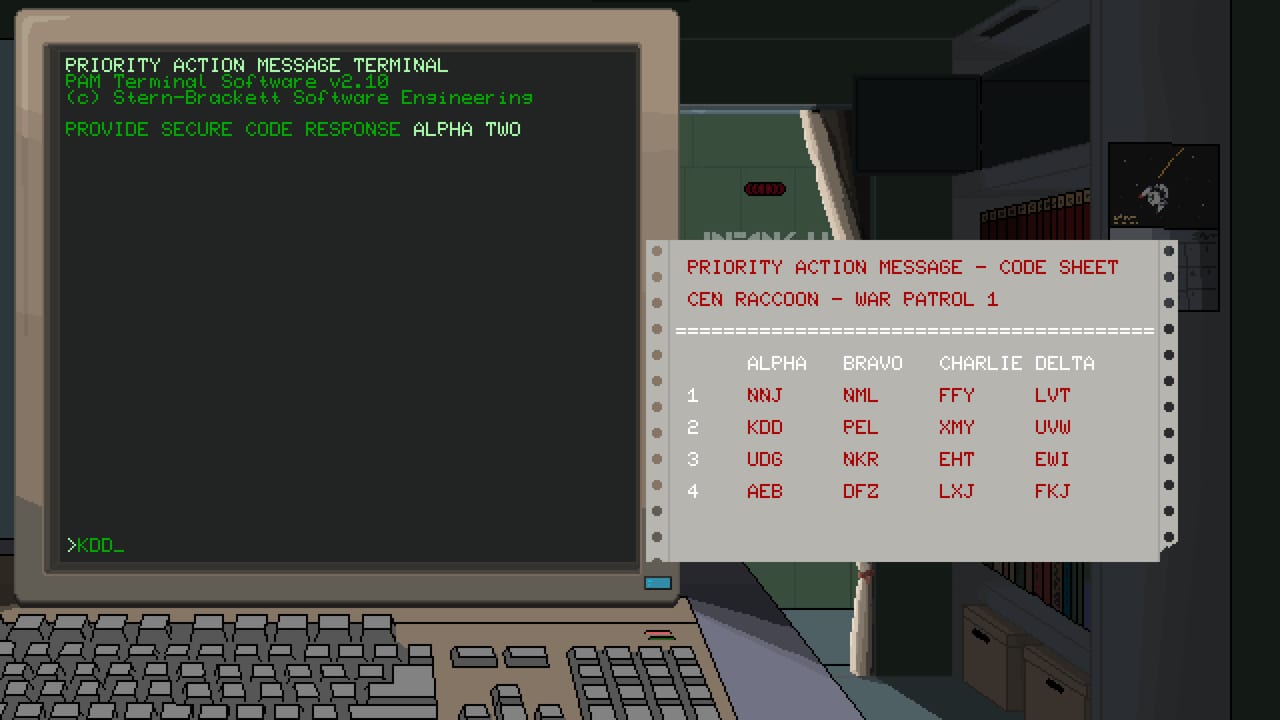
The Deck Conn campaign is a dynamic forever-war, not a cinematic act structure. You take a nuclear corvette on war patrols, answer headquarters, investigate contacts, spend scarce stocks, and come home with a slightly different ship and crew. This walkthrough explains the loop, the decision points, and how to avoid treating a living campaign like a checklist RPG.
If you have not finished a standalone fight, stop. Run the getting started path and one combat scenario first. The campaign adds orders, reputation, upgrades, and promotions on top of a fight you already need to understand.
What a war patrol is
Press and store copy agree on the ingredients: patrols, distress calls, priority HQ orders, unidentified contacts, ship upgrades, and crew promotions. You are not clearing a mission select screen. You are taking a vessel into a quadrant that keeps generating work.
A patrol typically asks you to:
- Read the coded order and decide how loud you can afford to be.
- Plot a route that still leaves fuel for the return, not just the intercept.
- Investigate contacts with sensors and power instead of charging every smear.
- Resolve fights with a capture or destroy call that matches the order, not your boredom.
- Spend whatever the patrol paid you on upgrades or crew, then log the ship’s new baseline.
That last line is the campaign. The fight is the tax you pay to keep writing the ship’s history.
HQ orders versus distress calls
Headquarters wants a war prosecuted. Distress calls want a conscience. Launch materials present both as first-class events. Blindly answering every distress beacon is how you arrive at the priority contact late, loud, and short on batteries. Blindly ignoring civilians is how you build a reputation the next order may not like.
A practical filter for launch week:
- If the HQ order is time-sensitive and your fuel is already a problem, the beacon waits.
- If you still need a capture for upgrades or crew morale, a damaged distress contact can be a better prize than a fresh warship.
- If you are already wounded, do not pick up a second fight because the pixel art made you sentimental.
None of that is a hidden morality meter we can quote from a datamine. It is the stated fantasy: high-stakes decisions in an endless war. Play it as a captain, not as a completionist.
Upgrades and the long ship
Between battles you upgrade weapons and systems. The systems tier list exists because not every box you can tick is worth the power it will demand later. A louder sensor suite is a gift until you cannot hide. A heavier weapon is a gift until the reactor cannot feed it and the rest of the ship. Buy upgrades that match the doctrine you actually fly, which should already be written down on the power planner.
Do not upgrade into a fantasy loadout you cannot staff. Crew promotions are the other half of the same economy. A better gun with a green operator is a worse gun.
Rank, reputation, and when to stop a patrol
The store text says you rise through the ranks and shape the ship’s legacy. That is not an excuse to stay out until the tanks are dry. Ending a patrol with a living reactor, a working plot, and a crew that can still stand a watch is a win. Pushing for one more contact because the campaign feels “endless” is how endless wars eat ships.
Stop a patrol when:
- Fuel or batteries cannot guarantee a return plus one emergency burn.
- The reactor or a defensive system is in a state you would not accept at the start of a combat tutorial.
- You already completed the HQ order and the remaining blips are curiosity.
- A capture left you with prisoners, salvage, or damage that needs a yard, not another intercept.
Standalone missions still matter after you start the campaign
The design includes individual combat scenarios to hone tactics. Use them when a campaign fight taught you a bad lesson. If a particular range band or capture attempt keeps going wrong, drill it in a scenario, then go back to the patrol. The campaign is for consequences. Scenarios are for skill.
After-action that actually helps
Write four lines after each patrol: order given, power plan used, capture-or-destroy calls, crew who mattered. Compare those lines to the tactics tier list and to Updates if a patch changed the economy. Then open the next patrol with a smaller ego and a larger reserve.
Official store and publisher links sit on the links hub. This walkthrough will not invent a chapter list the developers did not publish. It will tell you how to command the loop they did publish.
Frequently Asked Questions
Quick answers captains actually search for after launch.
Is the Deck Conn campaign scripted?
The developers describe a dynamic forever-war of patrols and orders, plus separate standalone scenarios. It is not a purely linear story campaign.
Should I answer every distress call?
No. Weigh fuel, damage, and the current HQ order. See also Capture or Destroy.
When do upgrades happen?
Between battles, as part of the campaign loop. Rank them with the systems tier list so you do not buy power you cannot feed.
Can friends join my campaign?
No. Deck Conn is single-player. There is no multiplayer campaign seat.