Deck Conn Combat Guide
Turn-based space tactics when the plot is a lie and the reactor is already busy.
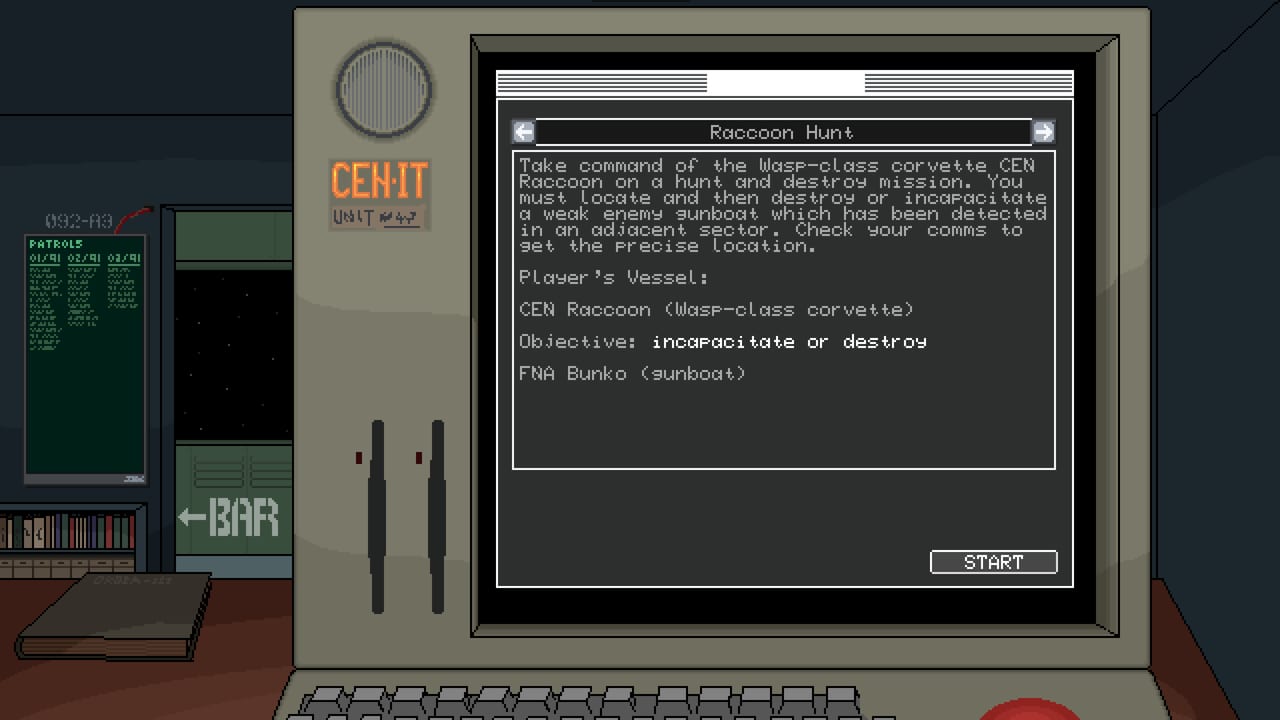
Combat in Deck Conn is turn-based command, not a twitch gunfight. You navigate a sector, investigate contacts, manage range and facing, spend a shared power budget, and decide whether the other hull should be a prize or a cloud of parts. This page is the fight loop. Pair it with Ship Systems or you will win a volley and lose the bus.
The fight is a resource puzzle
MicroProse’s launch list is the ruleset: allocate limited power across reactor output, batteries, fuel, auxiliary power, sensors, propulsion, weapons, and defensive systems. Every combat action is a vote about which of those still gets to live. If you treat weapons as the only bar that matters, sensors go dark, propulsion cannot change range, and defenses fail the moment a return shot lands.
A working combat turn looks like this:
- Read the last sensor report and decide if it is good enough.
- Spend or withhold active sensors.
- Adjust range and facing with propulsion — closing is not always better.
- Assign weapons to a subsystem, not “the ship” as a blob.
- Keep a defensive and reactor reserve so the next enemy turn does not end the patrol.
- Reassess capture versus destroy before you fire the shot that makes boarding impossible.
That last step belongs to the capture guide. Combat skill is knowing when not to finish the kill.
Imperfect information is the real enemy
Launch materials stress incomplete sensor reports, coded orders, and unidentified contacts. You will fight ghosts. Passive sensors keep your emission profile down and your picture muddy. Active sensors buy clarity and donate a bearing to anyone listening. New captains ping on instinct, then spend three turns running from the attention they bought.
Rules of thumb for launch week:
- If HQ only asked you to investigate, do not light the sky on turn one.
- If a contact is already firing, you can afford a louder picture.
- If you plan to capture, you need a cleaner target solution, which means paying for sensors before paying for extra guns.
- If you plan to destroy, you can starve sensors sooner — but not so soon that you shoot empty space.
The tactics tier list ranks opening postures (quiet intercept, loud alpha, defensive kite). Use it after you understand the power trade, not instead of it.
Range, positioning, and targeting systems
The press language is naval: range and positioning matter as much as firepower. Closing the range makes weapons more honest and your own hull easier to hit. Opening the range buys time for batteries and repairs and can strand a damaged enemy you would rather board than duel.
Target enemy systems. A ship that cannot see you is safer than a ship with a scratch on the paint. A ship that cannot move is a capture candidate. A ship with dead weapons is a patrol you can leave behind. Punching “hull” because it is the biggest number is how FTL-likes and mainframe Trek clones punish impatience. Deck Conn’s stated fantasy is the same family: disable, then decide.
Priority targets when you do not have a complete picture:
- Sensors, if you are trying to disengage or stay quiet.
- Weapons, if the next incoming volley will kill your reactor.
- Propulsion, if you want a capture and they still have legs.
- Reactor or power plant last, unless you have already chosen destroy and need the fight over.
Power mid-fight
Do not freeze the power planner allocation from the start of the encounter. Combat is when you steal from propulsion to feed weapons for one turn, then steal back. Batteries exist so a spike does not SCRAM the reactor. Fuel is the campaign clock; spending it to win a vanity chase can strand the patrol. Read systems for the campaign-level version of this speech.
Standalone scenarios are the right place to practice ugly budgets. The campaign will mix HQ orders and distress calls on top of the fight. If you cannot win a clean scenario, you will not win a messy patrol. Drill there, then take the campaign out of harbor.
After the last shot
If the hull is still there, you have a capture-or-destroy decision and a crew that just watched you make it. Log damage, remaining power, and whether the prize was worth the magazine. Check crew before you stamp a promotion for the person who happened to be on the gun. Then go back to the Guides Hub or the tier lists and change the plan for the next contact, not the last one.
Frequently Asked Questions
Quick answers captains actually search for after launch.
Is Deck Conn real-time combat?
No. It is turn-based tactical combat with system management, as listed on Steam.
Should I always fire on a contact?
No. Investigate first. Capture may be worth more than a wreck — see Capture or Destroy.
Why did my weapons feel weak?
Usually power, range, or a bad target choice. Recheck Ship Systems before you assume a balance issue.
Where do I practice without risking a campaign ship?
Standalone combat scenarios exist for that. Use them with the power planner.